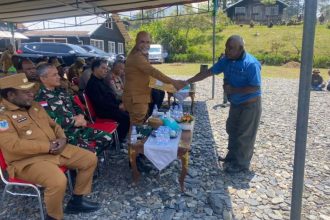

The Ministry of Health has released the results of its investigation into the death of Irene Sokoy (31), a pregnant woman from Jayapura who passed away along with her unborn baby after being refused treatment by four hospitals between 16–19 November 2025. The incident drew significant public attention and became a major concern for the central government.
Irene was pronounced dead on Monday (17/11/2025) at 05:00 WIT after undergoing a series of referrals from RSUD Yowari, RS Dian Harapan, RSUD Abepura, and finally RS Bhayangkara. The Health Ministry acted swiftly following President Prabowo Subianto’s directive to conduct a comprehensive assessment of healthcare services in Papua.
Minister of Health Budi Gunadi Sadikin expressed his condolences and emphasized that the investigation had been carried out thoroughly. “We extend our deepest condolences for the passing of Mrs. Irene Sokoy and her unborn child,” Budi said during a press conference in Jakarta, Thursday (27/11/2025).
Four Factors Behind the Hospitals’ Refusal
The Director General of Advanced Health Services at the Health Ministry, Azhar Jaya, stated that there were four main reasons the hospitals were unable to provide care for Irene:
- Shortage of medical specialists
The first hospital did not have an obstetrics and gynecology specialist or an anesthesiologist available, as they were on leave and attending official duties. - Inadequate medical facilities
At RSUD Abepura, all operating rooms were under renovation, making surgical procedures impossible. - Emergency service SOPs not followed
RS Bhayangkara requested an upfront payment of Rp 4 million because BPJS rooms were full, even though regulations require that emergency patients be treated without administrative conditions. - Ineffective referral system
The referral mechanism between healthcare facilities was deemed suboptimal, causing delays in emergency response.
Threat of Sanctions and License Revocation
The four hospitals that failed to provide emergency treatment to Irene may face sanctions. The local Health Office, as the licensing authority, has been instructed to conduct further review. Azhar stressed that refusing emergency patients is a serious violation.
“Hospitals are prohibited from refusing patients in emergency conditions. The most severe sanction is license revocation,” he said.
Health Minister’s Directive: No Reason to Refuse Emergency Patients
Minister Budi reiterated that all hospitals must provide treatment to patients in emergency situations, regardless of their payment or insurance status.
“BPJS will cover the cost. There is no justification for hospitals to refuse emergency patients,” Budi affirmed.
He added that the Health Ministry has asked regional health offices to strengthen supervision, enhance training for healthcare workers, and improve hospital management, particularly in areas facing limited resources.
In the next three months, the Health Ministry will return to Papua to ensure that the investigative recommendations have been implemented and that healthcare service quality has improved to prevent similar incidents from happening again.