Jayapura, Indonesia – Traditional leaders in Papua have reiterated their commitment to maintaining peace and unity within the framework of the Unitary State of the Republic of Indonesia (NKRI), underscoring the pivotal role of customary authorities in preserving stability across the region.
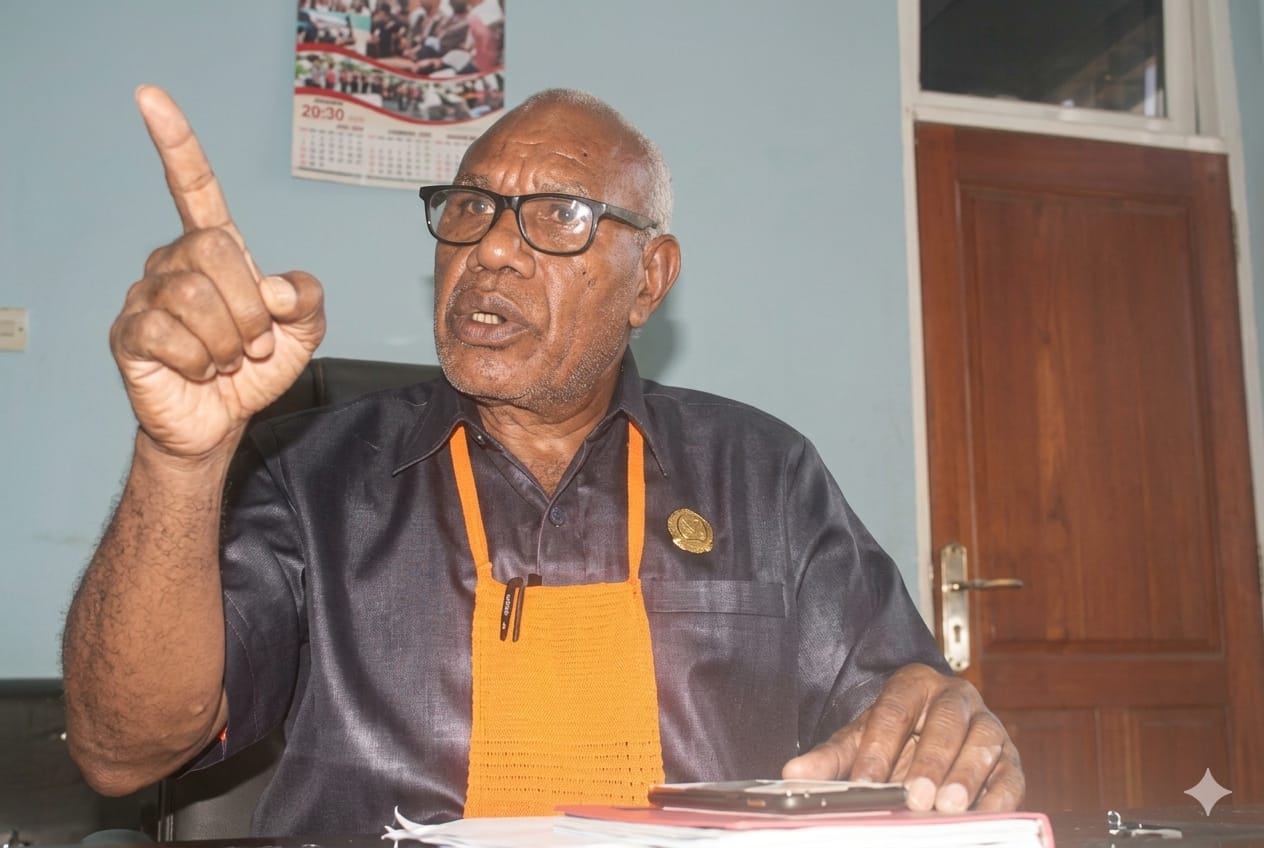
Herman Yoku, Chief of the Great Wikaya Tribe, said lasting peace in Papua depends heavily on the involvement and leadership of respected tribal figures. According to Yoku, customary leaders hold significant moral authority within their communities and play a decisive role in guiding public attitudes toward harmony and national unity.
“Peace in Papua cannot be separated from the role of tribal chiefs and customary leaders,” he said, emphasizing that they remain key guardians of what he described as the “big house of Papua” within the national framework.
Papua has promoted the vision of “Papua Land of Peace” since a 2019 declaration endorsed by community, religious and youth leaders, and witnessed by senior security officials. The declaration reflected a shared commitment to fostering a safe and conducive environment in Indonesia’s easternmost region.
Despite that pledge, sporadic unrest has persisted in several areas, prompting calls for sustained dialogue between the government and indigenous leaders. Observers and local figures view the active engagement of ondoafi—traditional leaders in parts of Papua—and tribal chiefs as critical to easing tensions and strengthening social cohesion.
In Papua’s customary governance system, an ondoafi—also known in some regions as ondofolo—serves as a high-ranking traditional authority, particularly in areas such as Sentani and Jayapura. They oversee customary land rights, lead clan lineages and are responsible for maintaining traditional order.
Tribal chiefs more broadly are tasked with resolving community disputes, upholding customary law and ensuring local stability. Their leadership is typically rooted in lineage, local wisdom and recognition by the community.
The Papua provincial government has in recent years intensified communication and coordination with customary leaders to ensure development policies align with community needs at the village and district levels. Such collaboration is also aimed at optimizing the use of special autonomy funds, particularly for human resource development and public services.
A meeting between government representatives and customary leaders in Jayapura on Feb. 13, 2026, was seen as a step toward reinforcing collective commitment to peace, unity and sustainable development in Papua within Indonesia’s national framework.