Nabire, Indonesia — The Central Papua Provincial Government is intensifying efforts to strengthen vocational education by integrating various educational and training institutions in a bid to reduce unemployment and poverty across the region.
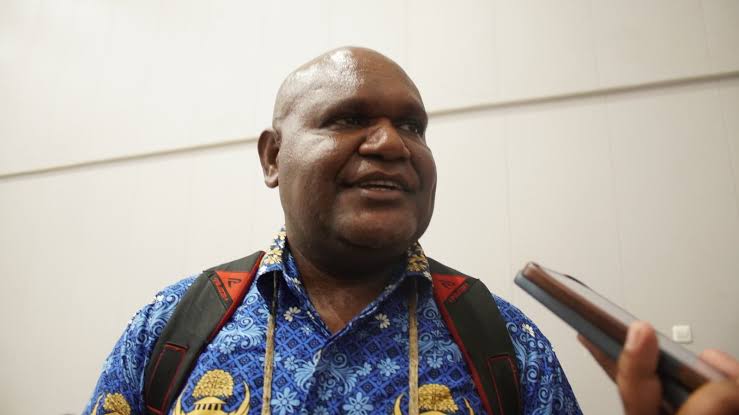
Yulianus Kuayo, Head of Data Affairs at the Central Papua Education and Culture Office, said vocational education has become one of the provincial government’s priority programs due to its direct contribution to improving public welfare.
“Vocational education will help reduce two things, namely unemployment and poverty. This is also part of the government’s program in the education sector,” Yulianus said in Nabire on Saturday, as reported by Antara News Agency.
According to him, the vocational education initiative is being implemented through the development of community academies, integrated vocational high schools (SMK), Job Training Centers (BLK), Course and Training Institutions (LKP), and Community Learning Centers (PKBM).
He explained that the program also involves faith-based educational institutions such as YPPK, YPK, and YPPGI schools, which are being encouraged to transform into integrated vocational schools based on local economic potential.
“For example, SMK YPPK Wanggar is being directed to establish animal feed and fertilizer production facilities, while SMK YPK Kalibobo is being encouraged to focus on the energy and mining sectors, including village electricity development and technical service programs,” he said.
Yulianus added that responsibilities for vocational education are divided between provincial and district governments. District administrations are primarily responsible for managing vocational schools and job training centers, while the provincial government supports the sector through educational programs and infrastructure development.
“Financial assistance from the provincial government is not provided in the form of direct funding, but through programs and infrastructure support for vocational schools,” he said.
He noted that the approach could also create new economic opportunities for local communities, as raw materials owned by residents could be utilized by school production units while simultaneously serving as practical training facilities for students.
“Vocational school students can directly gain hands-on experience working in factories, learning management skills, and local communities can also become involved in the economic chain,” he said.
In addition, Yulianus emphasized the importance of synchronizing education programs between the central, provincial, and district governments to ensure policies are implemented effectively and sustainably.
The Central Papua Provincial Government hopes the strengthening of vocational education will produce a skilled and competitive workforce capable of supporting long-term regional economic growth.