TIMIKA, CENTRAL PAPUA – Central Papua Deputy Governor Deinas Geley has called on all residents of Mimika Regency to maintain unity and put an end to recurring intergroup conflicts. He stressed that disputes among fellow community members only result in loss of life, undermine security and stability, and hinder regional development.
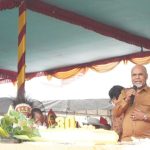
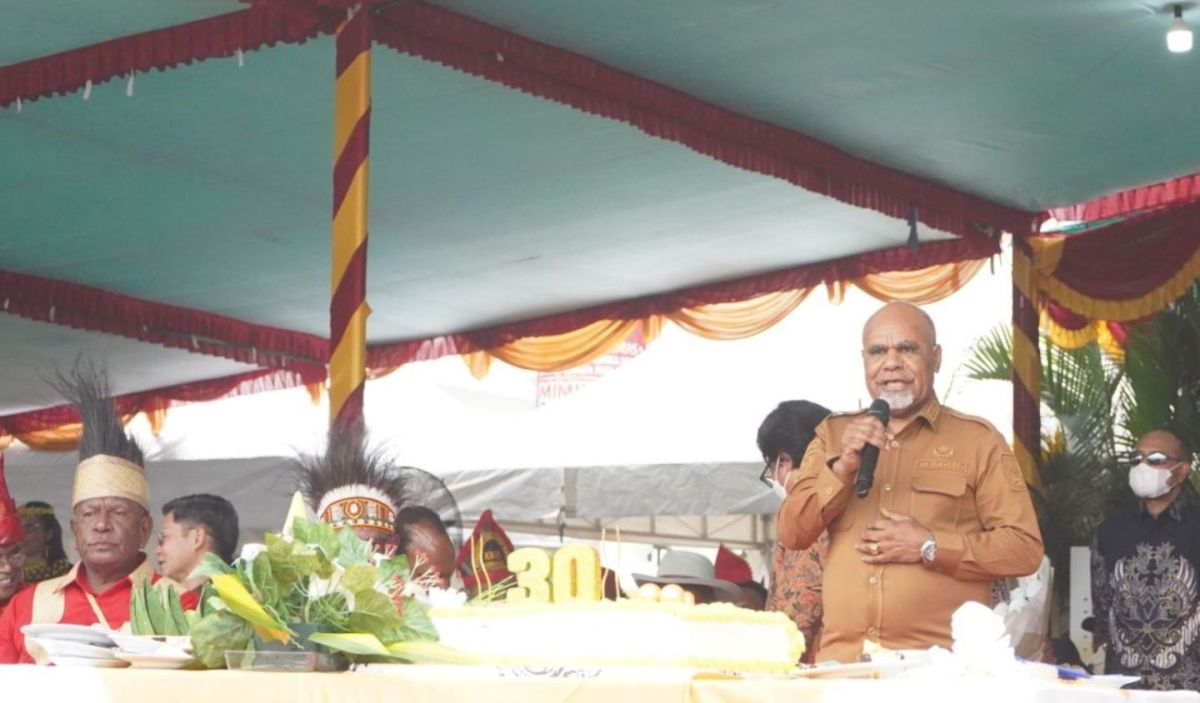
Deinas delivered the appeal in Timika on Monday during a series of events commemorating the 30th anniversary of Mimika Regency. He said the milestone should serve as an opportunity for all members of society to strengthen solidarity and work together to develop the region without violence.
“The conflict taking place is not a tribal war, but a civil war, and it must be stopped. We, the people of Papua, must stand united. If fellow Papuans continue fighting among themselves, when will Papua be able to advance and develop?” Deinas said.
He specifically urged the public, including Indigenous Papuans living in Mimika, not to become involved in disputes. Differences in group affiliations, tribal backgrounds, or regional origins, he said, should never become reasons for hostility.
The appeal comes amid a prolonged conflict between the Dang and Newegalen groups in Kwamki Narama District, which began in October 2025. Although efforts to resolve the dispute had been pursued through police mediation and customary reconciliation, the fighting subsequently resumed.
On June 24, 2026, the two groups once again agreed to make peace through the customary patah panah and panah babi rituals in Amole Village, Kwamki Narama District. The conflict, which lasted approximately eight months, was reported to have claimed at least 17 lives and left dozens of others injured.
The situation serves as a reminder that peace cannot be achieved through customary agreements alone. It must also be sustained through a shared commitment to preventing further violence. Residents are encouraged to prioritize dialogue, resolve disputes wisely, and honor the peace agreements that have been reached.
Deinas emphasized that Mimika is a shared home for people from diverse ethnic groups and regions across Indonesia. Therefore, all residents have an equal responsibility to maintain security and contribute to the region’s progress.
“Mimika belongs to everyone living here, from Sabang to Merauke. It does not matter which ethnic group you come from. Everyone who lives in Mimika must work together to build the regency under the leadership of the regent and deputy regent,” he said.
He also emphasized that regional development requires the support and participation of all stakeholders, including the community, local government, the Mimika Regency Regional House of Representatives (DPRK), and the Indonesian National Armed Forces (TNI) and National Police (Polri). Cooperation among these parties is essential to creating a safe environment, maintaining public order, and ensuring that development programs proceed effectively.
In addition to highlighting the importance of unity, Deinas addressed social issues affecting the younger generation. He urged young people in Mimika to stay away from alcoholic beverages, particularly excessive consumption, as alcohol abuse can endanger health, encourage risky behavior, and potentially lead to security and safety concerns.
“On the occasion of Mimika’s 30th anniversary, I urge the younger generation to stop consuming alcoholic beverages. Excessive alcohol consumption can have extremely dangerous consequences and may even lead to death,” he said.
Deinas also encouraged young people to become more aware of the importance of protecting their health, including avoiding risky sexual behavior as part of efforts to prevent HIV/AIDS transmission.
He expressed concern over the presence of HIV/AIDS cases across several regencies in Central Papua and urged young people to take greater responsibility for their health and understand the importance of preventive measures.
According to data from the Mimika Regency Health Office, 199 new HIV/AIDS cases were identified through community health screenings between January and June 2026. Of these, 134 cases were recorded among people aged 15–34.
Meanwhile, throughout 2025, the Mimika Health Office recorded 489 new HIV/AIDS cases among 59,737 people who underwent testing.
According to Deinas, building Mimika requires more than infrastructure development and economic growth. It also depends on having a healthy and secure community in which people can live side by side in an atmosphere of mutual respect.
He expressed hope that the 30th anniversary of Mimika Regency would serve as a turning point for strengthening solidarity, preventing the recurrence of intergroup conflicts, and encouraging all residents to contribute to a more peaceful and prosperous future for Mimika.