
JAKARTA — Papua’s natural environment still holds hope for its iconic wildlife. Amid the growing pressures of climate change, recent research shows that responsibly managed production forests and river landscapes can continue to serve as safe habitats for the Greater Yellow Bird-of-Paradise and the Pig-nosed Turtle—two endemic species that symbolize Papua’s rich biodiversity.
Research on the Greater Yellow Bird-of-Paradise indicates that this remarkable bird can still be found consistently in production forest areas managed under a sustainable selective logging system. During the study period, more than 100 individuals were identified across two forest concessions, with several areas assessed as having a high level of habitat suitability to support the species’ survival.
Beyond recording population numbers, researchers also documented the bird’s natural behaviors, including its mating displays (lekking), and identified feeding trees and lek trees that play a crucial role in the species’ life cycle. These findings demonstrate that when forests are managed with respect for ecological balance, wildlife can continue to live and thrive.
However, behind this encouraging news, the study also highlights real threats posed by climate change, particularly to the Pig-nosed Turtle, which is highly dependent on stable river ecosystems. Changes in weather patterns and environmental conditions are considered likely to affect the species’ life cycle and long-term survival, underscoring the need for greater attention and stronger conservation efforts.
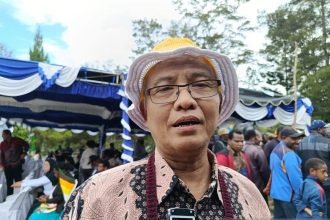
Bird-of-Paradise researcher from IPB University, Prof. Dr. Ani Mardiastuti, emphasized that the research serves as a reminder of the significant role humans play in safeguarding Papua’s environmental sustainability.
“Production forest management that preserves high conservation value areas and applies sustainable selective logging has proven capable of supporting the presence of Birds-of-Paradise. This shows that development and conservation can go hand in hand,” she said in an official statement on Friday (February 6, 2026).
She added that responsibly managed forest areas are not only vital for the survival of endemic wildlife, but also hold potential benefits for local communities through the development of birdwatching-based ecotourism.
Through this research, a clear message is conveyed: protecting Papua’s natural environment is not merely about conserving wildlife, but about preserving a living heritage for future generations—where people, forests, and wildlife coexist in a mutually sustaining balance.