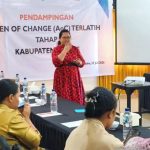
Nabire – The Partnership to Accelerate Stunting Reduction in Indonesia (PASTI) Papua program is strengthening efforts to accelerate stunting reduction in Nabire Regency, Central Papua, by involving 19 community change agents from various sectors. These individuals have been prepared to educate local communities on stunting prevention and improved nutritional practices.
Speaking in Nabire on Monday, PASTI Papua Senior Program Manager Julia Christine Sagala said the change agents were recruited from seven villages and urban communities participating in the program.
“The output of this mentoring program is to strengthen the capacity of selected change agents so they can become community advocates for stunting prevention,” Julia said.
She explained that the recruitment process prioritizes candidates with strong communication skills, influence within their communities, and no criminal record.
The change agents come from diverse professional backgrounds, including healthcare workers, teachers, district government officials, and Posyandu (Integrated Health Service Post) volunteers. Their involvement reflects the understanding that preventing stunting requires collaboration across multiple sectors rather than relying solely on the health sector.
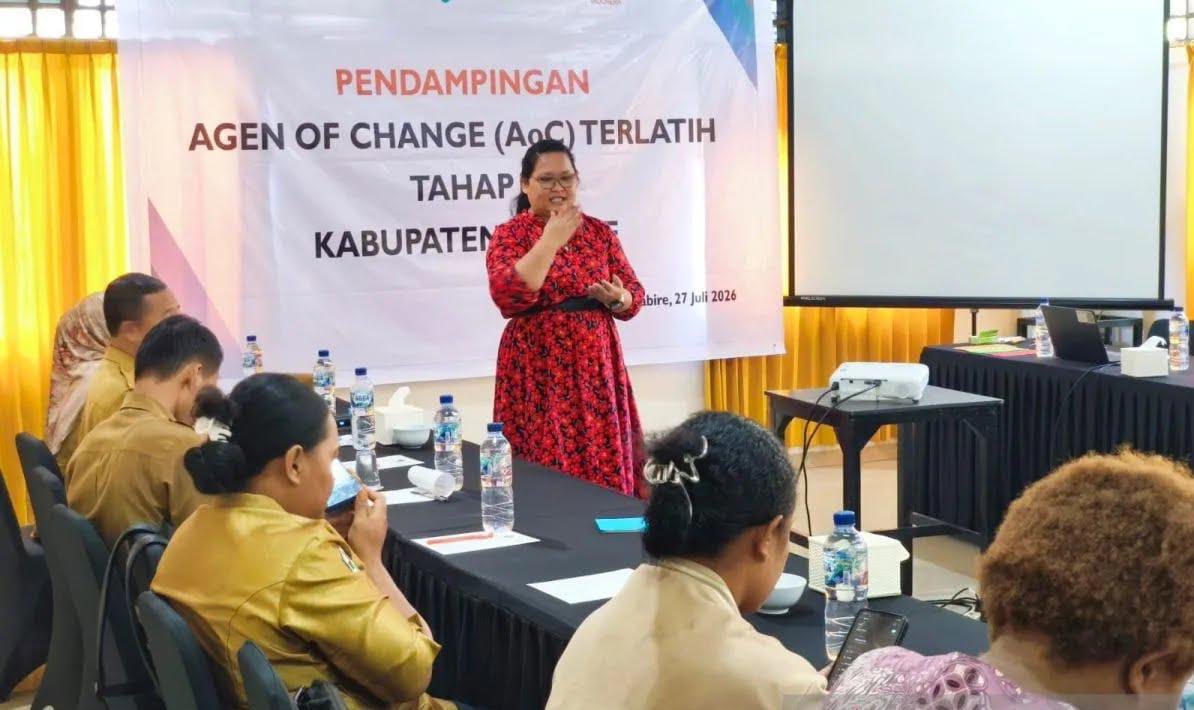
Before carrying out their roles, the participants received interpersonal communication training to improve their ability to conduct public education, health promotion, and advocacy within their respective communities.
The mentoring program is conducted monthly, with training materials tailored to local needs. Participants are also equipped with educational tools, including flipcharts and health promotion posters, to support community outreach activities.
“Stunting can be prevented from an early stage, for example by bringing toddlers to Posyandu,” she said.
Through their role, the change agents are expected to deliver stunting prevention messages in various community settings, including Posyandu, schools, and religious gatherings at churches and mosques.
They will also educate the public about the importance of iron supplementation for pregnant women and adolescent girls as part of broader efforts to improve community nutrition.
Julia added that the identification and recruitment of additional change agents is still ongoing. PASTI Papua plans to expand the program by providing advanced training for new participants in August 2026.
“We do not only identify, train, and mentor them, but also want to provide a platform for them to speak up and directly apply their communication skills at Posyandu and within their respective communities,” she said.
She expressed hope that more community leaders, including customary leaders, religious leaders, and women’s leaders with strong influence in their communities, will become involved in the initiative.
The PASTI Papua project supports efforts to accelerate stunting reduction and improve nutritional status in the regencies of Nabire, Asmat, and Mimika. The program supports Indonesia’s Ministry of Health, is funded by PT Freeport Indonesia, and is implemented by Wahana Visi Indonesia.