
Jayapura – Fathan Putra Mardela, a researcher at the Indonesian Strategic Heritage Institute (MPSI), assessed that the Wanam National Strategic Project (PSN) in Merauke, South Papua, represents a significant opportunity to accelerate development in eastern Indonesia while simultaneously strengthening national food security in the future.
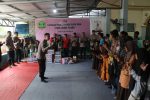
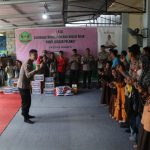
Fathan made this statement during a public discussion on “The Social Impact of the Film Pesta Babi on Community Protection and Rights” held by PD KAMMI Bogor at Camp Survivor, Bogor Regency, on Monday (June 8, 2026).
According to Fathan, for decades, national development has faced the challenge of inter-regional inequality. Therefore, the presence of the PSN in South Papua should be seen as the state’s effort to create new centers of economic growth outside Java and to open up access to more equitable development.
“South Papua has great potential to become one of Indonesia’s new food barns. If managed well, this project will not only strengthen national food security but also create jobs, accelerate infrastructure development, and stimulate economic growth in local communities,” he said.
Fathan believes that development through the National Strategic Project (PSN) also has the potential to improve regional connectivity, which has been a major challenge in several areas of Papua. The presence of roads, transportation, logistics networks, and basic services is expected to have a ripple effect on improving community welfare.
“Development must be seen as an instrument for opening access. When access is open, education becomes more accessible, health services improve, distribution of goods becomes smoother, and economic opportunities for the community expand,” he said.
However, Fathan emphasized that sustainable development must ensure that indigenous communities are a central part of the process and benefit from it.
He believes that local community involvement, respect for customary rights, and open public communication will strengthen public trust in government development programs.
“Strong development is development that can unite national interests with the aspirations of local communities. When the benefits of development are truly felt by the community, social support will grow naturally,” he said.
Fathan also invited the public to view the various dynamics developing in Papua more objectively and proportionally. He stated that development always presents challenges that must be managed, but these should not obscure the greater goal of improving public welfare.
“We must be optimistic that Papua has a bright future. What is needed is strengthened governance, good communication, and a shared commitment so that development truly becomes a means of bringing prosperity, justice, and progress to the Papuan people,” he concluded.