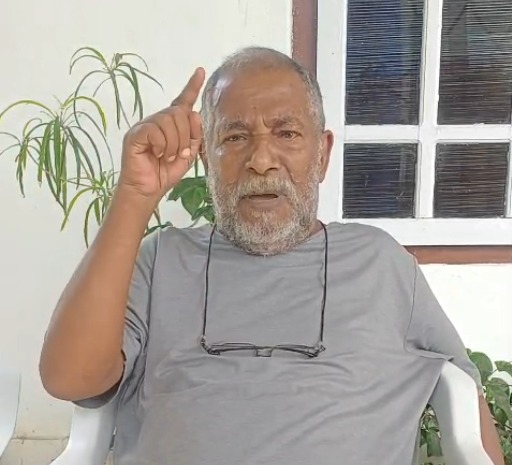
Jayapura, October 23, 2025 — Prominent Papuan Muslim figure Thaha Al Hamid has voiced his concern over the recent burning of Bird-of-Paradise headdresses carried out by the Natural Resources Conservation Agency (BBKSDA) of Papua. The incident has sparked strong protests among Indigenous communities and student groups across Papua.
In his statement, Thaha criticized the burning of the headdresses as an inappropriate response to wildlife conservation efforts. He emphasized that authorities should focus on addressing the root causes of wildlife trade rather than resorting to destruction of seized items.
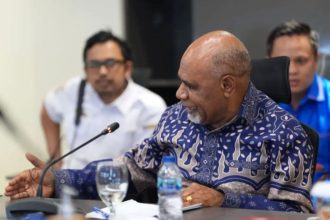
“Burning Bird-of-Paradise headdresses is not a solution. It should not be done — it’s wrong,” Thaha said in Jayapura on Thursday. “Confiscation is fine, but it must be followed by an investigation into who sells and makes these items. Don’t stop at the surface.”
Thaha also urged local governments to ban the use of Bird-of-Paradise headdresses in official ceremonies, including welcoming events for guests, calling such practices outdated and inappropriate.
“Speak with the governor and stop the custom of wearing Bird-of-Paradise headdresses. It’s no longer appropriate and should end,” he added.
Responding to ongoing student demonstrations, Thaha said that public protest is a legitimate expression of concern but must be accompanied by constructive solutions. He offered to hold open discussions with students to identify the deeper issues behind the problem.
“Demonstrations are fine as an expression of concern, but they shouldn’t end there. After protesting, let’s sit together, discuss, and find solutions,” he said.
Thaha pointed out that the root of the problem lies in structural poverty affecting many Papuans, which drives some to capture and sell Bird-of-Paradise specimens for income. He called for community empowerment and education programs instead of punitive measures.
“This issue exists because of poverty. The solution is not to burn the confiscated goods, but to empower communities so they no longer depend on selling Bird-of-Paradise,” he stressed.
Concluding his remarks, Thaha appealed to all parties — particularly students and conservation authorities — to work together peacefully in finding sustainable solutions.
“I’m open to dialogue with the students. Let’s reflect together and resolve this issue through peaceful and lasting means,” he concluded.