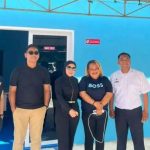
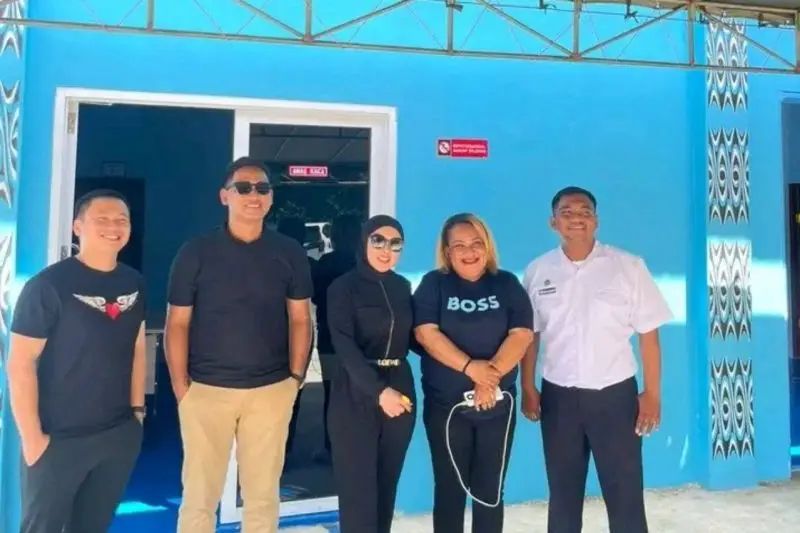
Papua – The fresh scent of lake water drifts from the shores of Rhobing Beach, Asei Besar Village, East Sentani District, Jayapura, Papua, where a large permanent building stands tall in the distance. Painted in bright blue, with a spacious yard facing directly toward the lake, the structure is striking against the natural backdrop.
This is the Nutritional Fulfillment Service Unit (SPPG) Asei Besar, soon to become a modern nutrition kitchen designed to serve thousands of schoolchildren while simultaneously opening new economic opportunities for the surrounding community.
The SPPG Asei Besar is not merely a kitchen. It was established with the spirit of empowering Papuan women and is built to national standards, equipped with food-grade stainless steel facilities in accordance with the requirements of the National Nutrition Agency (BGN).
Covering an area of 400 square meters, the kitchen also features loading zones at the front and back, each spanning 200 square meters. Moreover, it is one of the first in Papua to house a specialized animal protein laboratory, dedicated to strict inspections of fish, meat, and other ingredients before the cooking process begins.
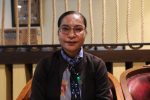
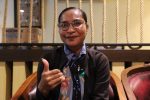
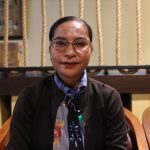
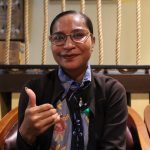
“Praise God, our preparations are now 98 percent complete. All equipment meets Indonesian National Standards (SNI), including type 304 stainless steel required for nutrition kitchens. We want to ensure the best quality meals for our children,” said Hesty Imelda Kere, Chairwoman of the TEKER Harapan Papua Foundation, in an interview with ANTARA while showcasing the still freshly painted kitchen space.
Beyond its impressive physical presence, the SPPG also brings social impact by employing local residents. A total of 47 volunteers have been recruited, consisting of local mothers and youth from the Sentani Lake area. They have been trained as cooks, distribution staff, and support workers. In addition, six personnel have been hired for security, cleaning services, and field operations.
Mothers who once only cooked at home are now preparing meals for thousands of schoolchildren, while young people are gaining discipline and experience working as part of a team.
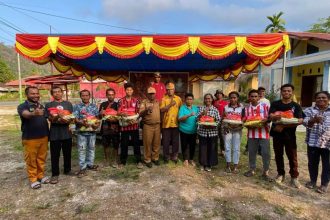
Community involvement extends beyond manpower. Local residents also serve as suppliers of raw materials—chicken, vegetables, rice, fish, and other necessities—all provided in accordance with existing regulations.
The program also creates opportunities for Sentani Lake fishermen, whose catches are guaranteed acceptance by the kitchen under direct guidance from the National Nutrition Agency, provided they meet the laboratory’s strict quality standards.
Through contractual agreements, villagers have been designated as official suppliers, ensuring a steady daily supply of raw materials. In this way, the local economy circulates within its own community, reducing dependence on external sources.