Jayapura – As the implementation of Special Autonomy (Otsus) in Papua reaches its 25th year, there is a pressing need to strengthen the evaluation of how Special Autonomy funds are managed and utilized. This is essential to ensure that the policy delivers a tangible impact on the welfare of the people in Papua.
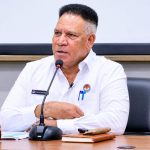
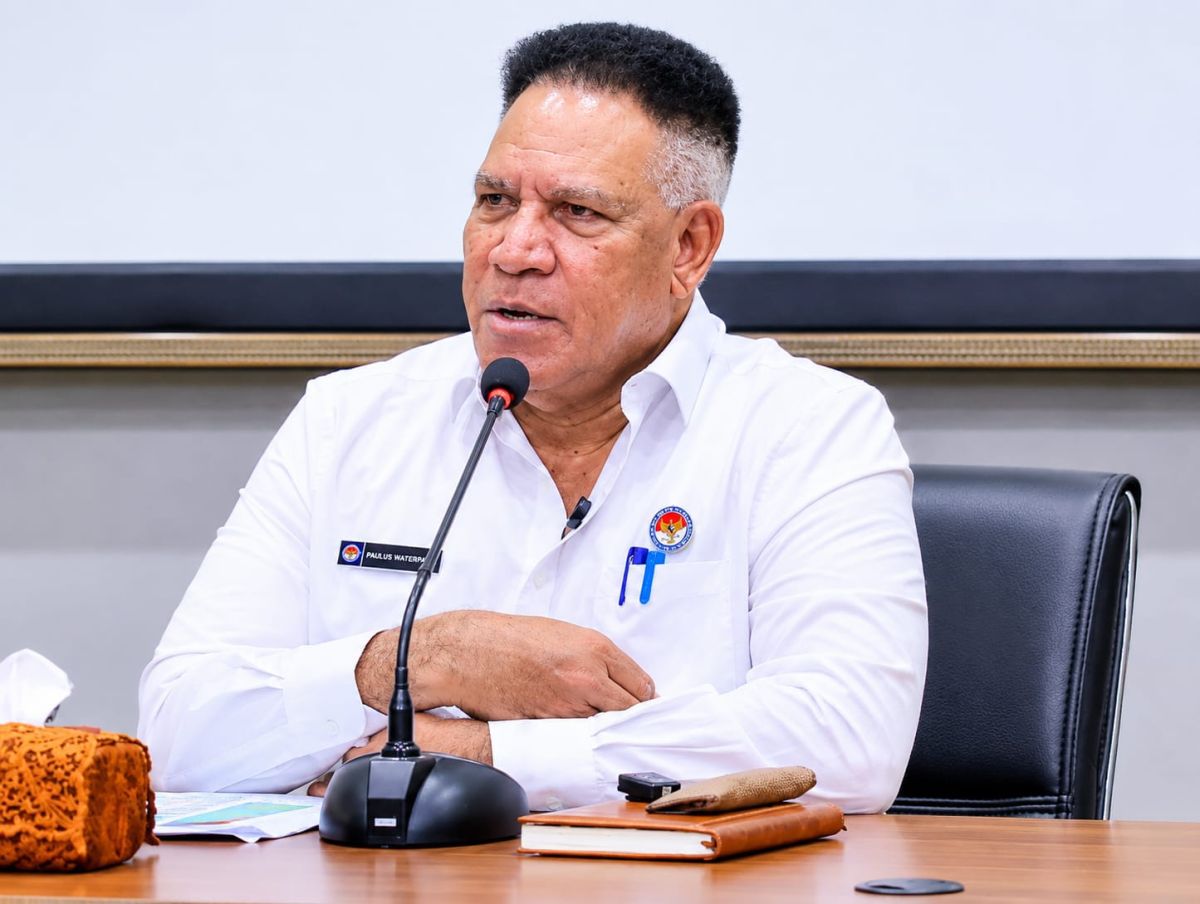
Paulus Waterpauw, a member of the Executive Committee for the Acceleration of Development in Papua under the Special Autonomy framework—and a retired Police Commissioner General—has urged regional heads across Papua to move beyond merely complaining about budget constraints. Instead, he emphasized that they must take responsibility for optimizing the absorption and utilization of the funds allocated by the central government.
According to Paulus, the core issue that requires collective attention is not just the total amount of funding received, but rather the extent to which these funds are effectively realized, targeted appropriately, and translated into direct benefits for the public.
He noted that the central government allocates significant funds annually to accelerate development in Papua. Consequently, regional governments must ensure that all planned programs are executed effectively.
Paulus also highlighted the persistent risk of a budget surplus (known as SiLPA—the remaining balance from the fiscal year) resulting from low budget realization. These funds should, in fact, be utilized to address the various needs of the community, particularly in the sectors of education, healthcare, economic empowerment, and the development of basic infrastructure.
The former Papua Regional Police Chief asserted that regional heads must be accountable for every Special Autonomy fund received—covering the total budget, actual expenditure, the programs implemented, and the resulting benefits for the community.
Furthermore, he encouraged regional governments to enhance transparency and public access to information, ensuring that the public has a clear understanding of how Special Autonomy funds are managed and spent.
He argued that such transparency is a form of government accountability to the public, given that Special Autonomy funds are intended for the benefit and improved welfare of all the people of Papua, rather than for the interests of specific groups or parties. Paulus hopes that the 25th anniversary of the implementation of Special Autonomy (Otsus) for Papua—which falls on November 21, 2026—will serve as a momentum for all regional governments to carry out comprehensive improvements, particularly regarding budget planning, execution, oversight, and accountability.
He emphasized that the success of Special Autonomy should not be measured solely by the total budget allocated by the central government over the past 25 years; rather, it must be gauged by tangible changes experienced by the public, such as improvements in the quality of education and healthcare services, economic growth, and the equitable distribution of development.
Consequently, this quarter-century mark of Special Autonomy in Papua should serve as a moment for evaluation and for strengthening the commitment of all stakeholders to ensure that every rupiah of the budget truly delivers benefits to the community.
Ultimately, the primary objective of Special Autonomy is to enhance the welfare of the Papuan people through development that is fair, equitable, transparent, and sustainable.