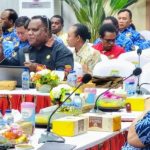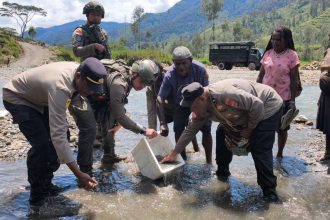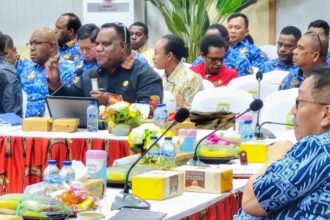
Development in Papua must go hand in hand with efforts to foster peace and improve the well-being of its people. As we approach Heroes’ Day on November 10, an inclusive development approach—one that accounts for cultural diversity and unique geographical characteristics—emerges as the key to driving change in the Land of Papua.
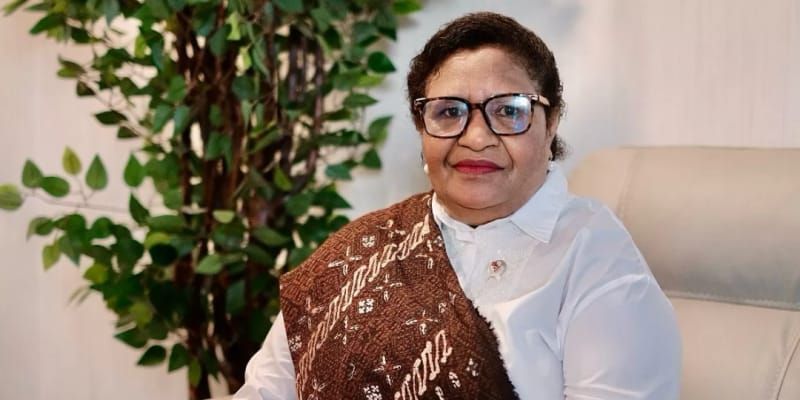
Deputy Minister of Home Affairs Ribka Haluk stated that development in Papua should prioritize a geocultural, multi-stakeholder, and co-determinative approach. Through this framework, government policies can be better aligned with the socio-cultural conditions and specific needs of communities in each region.
According to Ribka, peace is a fundamental aspiration of the Papuan people and must remain a central focus in every development agenda.
“The people of Papua desire peace,” said Ribka, as quoted on Sunday, November 8, 2026.
She explained that the diversity of ethnic groups, languages, customs, and social structures in Papua precludes a “one-size-fits-all” policy. The government must understand the distinct characteristics of each region to ensure that development programs genuinely address the needs of the local population.
Geographical challenges are also a critical factor. Mountainous areas, coastal regions, islands, urban centers, and border zones each face unique issues—ranging from connectivity, logistics distribution, and transportation to access to public services.
Furthermore, Ribka emphasized the importance of involving all stakeholders in the development of Papua. The central and regional governments, the military and police, traditional leaders, academics, the business sector, and the general public must each have a space to contribute.
“When this is achieved, everyone will feel that their voices are heard—that there is a defined role and a meaningful contribution from every sector and every stakeholder,” she asserted.
This cross-sectoral synergy, Ribka added, must be accompanied by continuity between program planning and implementation. The aspirations of the community, gathered during the planning process, must serve as the foundation to ensure that government policies remain aligned with the actual needs of the region. In this context, strengthening Papua’s special autonomy (Otsus) serves as an instrument to accelerate equitable development. Coordination between the central and regional governments is essential to ensure that affirmative policies are implemented effectively and that the authority vested in regional governments is utilized optimally.
“It is a matter of how we provide a vision to the regions—the authority is already in place—and how that authority is subsequently exercised; it all comes down to the regional government. This serves as the starting point for transforming development,” concluded Ribka.