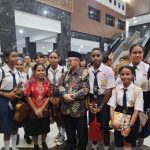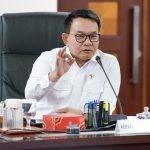
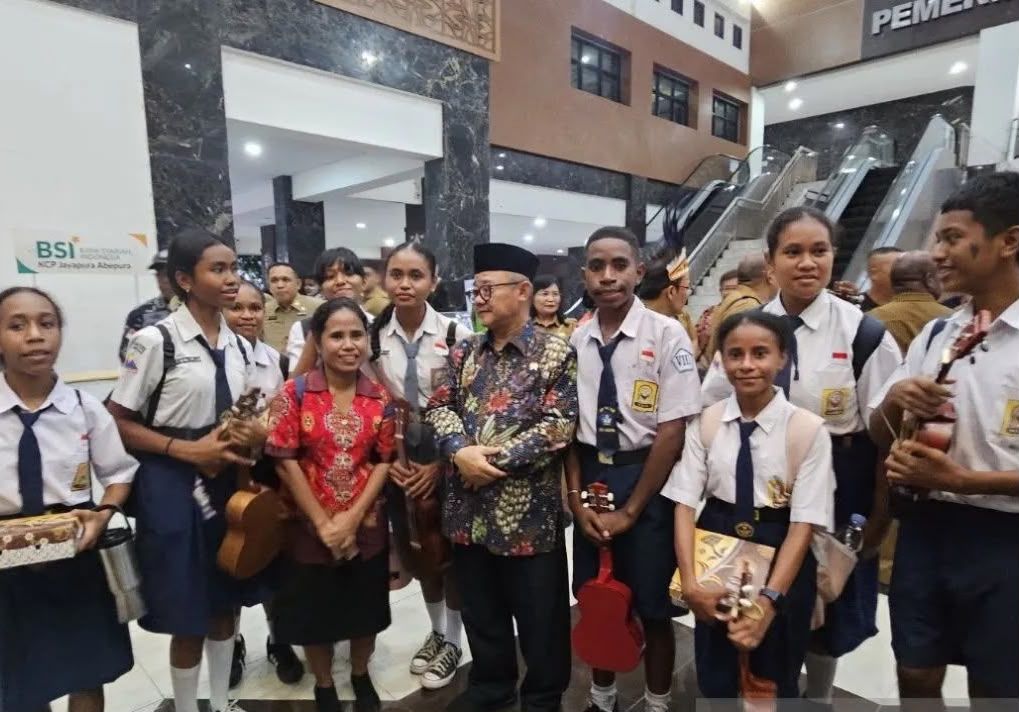
Jayapura (ANTARA) – Minister of Primary and Secondary Education Abdul Mu’ti has encouraged schools in Papua to instill pride in local languages among students as part of efforts to preserve the region’s cultural heritage.
Speaking at the 2026 Regional Languages Congress in Jayapura, Papua, on Monday, Abdul Mu’ti emphasized that efforts to preserve local languages should go hand in hand with maintaining the position of Indonesian as the national language.
He said schools play a strategic role in preparing younger generations to face changing times while remaining firmly rooted in their cultural identities.
According to him, one way to strengthen local languages is to incorporate regional language and literature lessons into local-content curricula. Learning activities can also be enriched with various cultural elements, including folktales, traditional songs, rhymes, traditional games, and oral traditions passed down through generations.
In addition to classroom instruction, efforts to promote local languages can be supported by providing reading materials and educational resources that reflect the cultural context and daily lives of local communities. Through these approaches, students are expected to become more familiar with their regional languages and more motivated to use them.
Abdul Mu’ti also highlighted the important role of teachers and education personnel in connecting local knowledge with students’ learning experiences. This approach can help students better understand their cultural values while developing greater appreciation for the languages inherited from their ancestors.
He explained that the success of local language preservation should not be measured solely by children’s ability to understand or memorize vocabulary. Equally important is fostering a sense of pride and encouraging them to use their regional languages in everyday communication.
Therefore, Abdul Mu’ti stressed that preserving local languages requires continuous support from various environments, including families, schools, community groups, and public spaces.
Through collaboration among these stakeholders, local languages are expected to remain alive and be passed on to future generations, while strengthening the cultural identity of children in Papua amid ongoing social and technological changes.