
Papua – Security and peace are invaluable treasures for the people of Papua. Amid the rapid flow of information and national political dynamics, provocations leading to anarchistic actions can become a serious threat if not anticipated. Papua needs a calm and stable atmosphere for development to proceed smoothly and for social life to remain harmonious, undivided by issues irrelevant to the reality of local communities. Recent demonstrations that escalated into destructive actions in Jakarta serve as a stark reminder that the potential for provocation could spread to other regions, including Papua.
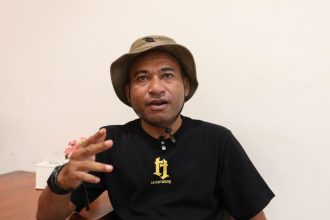
A traditional leader from Jayapura Regency, Yanto Luwai, emphasized that policies taken by the government, particularly by President Prabowo Subianto and Vice President Gibran Rakabuming Raka, have surely been carefully considered. Therefore, the people of Papua should not be influenced by issues arising from demonstrations in Jakarta. He urged communities across the six provinces of Papua to remain focused on maintaining peace and not be provoked by narratives or calls that could incite unrest. For Yanto Luwai, keeping Papua peaceful is a shared responsibility—of the general public as well as traditional leaders, religious figures, and community leaders.
A similar message was echoed by religious leaders. Reverend Jones Wenda, Secretary-General of the Kingmi Synod of Indonesia, stated that the demonstrations in Jakarta are local matters that should not be brought into the land of Papua. According to him, such provocations only disrupt public security and order. He reminded everyone that Papua is the “Land of the Gospel,” a land that must be protected as a symbol of peace and blessings. For believers in Papua, maintaining peace is not just a social obligation but also a spiritual calling to preserve the divine gift entrusted to this land.
Meanwhile, from South Papua, the Chairman of the Auyu Tribe Association of Mappi Regency, Fredi Kaibu, stressed the importance of practicing democracy in a mature and responsible manner. For him, expressing aspirations is indeed the right of every citizen, but it must be done lawfully and respectfully. He warned that demonstrations that devolve into anarchic actions could lead to widespread harm, damage unity, and undermine the true essence of democracy. His message holds deep meaning: democracy does not mean limitless freedom, but a space to voice opinions with dignity.
A similar caution came from a traditional leader in Tolikara, Karmin G. Yikwa, who called on the people of Papua—especially in Tolikara—to turn a deaf ear to anarchist and provocative issues. He emphasized that the public must not be easily swayed by actions that ultimately harm the common people. Thus, he urged the community to remain vigilant against any form of incitement that could drag Papua into horizontal conflict.
On deeper reflection, the statements of these Papuan leaders highlight a key message: maintaining peace is a collective duty. Papua has a long history of facing various challenges, but peace has always been the chosen path to safeguard future generations. Anarchism, by contrast, only brings harm and leaves behind social wounds that are difficult to heal.
From a social perspective, anarchism never solves problems—it only creates new ones. Damage to public facilities, disruption of daily life, and harm to the local economy are tangible consequences. In Papua, where infrastructure is being developed, education strengthened, and public welfare improved, anarchic unrest would only hinder progress. Therefore, rejecting provocation and reinforcing a commitment to peaceful ways is not only a rational decision but a strategic one.
Moreover, the calls from Papuan figures reflect a collective awareness that security is the foundation of progress. Development cannot take place without stability, and stability cannot be achieved if society is divided by provocation. That is why every individual in Papua must internalize this message: peace is not merely a condition, but a long-term investment in the future.
It is also important to note that Papua has a strong social capital for preserving peace—namely, the presence of highly respected traditional and religious leaders. In Papuan culture, the voices of traditional leaders often serve as moral guidance for society, while religious teachings provide spiritual grounding that strengthens solidarity. When these two social authorities join hands to call for peace, their message carries great power to resist the tide of provocation.
Ultimately, safeguarding the peaceful land of Papua from the threat of anarchism is a shared responsibility that must not be neglected. Outside provocations may continue to come, but with vigilance and collective commitment, Papua will remain strong as a region that is safe, peaceful, and harmonious. The messages of traditional, religious, and community leaders in Papua should be regarded not merely as appeals but as moral guidelines that reaffirm Papua’s identity as a land that upholds brotherhood and peace.
By holding firmly to these messages, the people of Papua not only protect themselves from the threat of anarchism but also send a clear signal to the Indonesian nation that Papua is an integral part that is always committed to maintaining national stability. The peace of Papua is the peace of Indonesia—and keeping Papua peaceful means safeguarding the future of the nation.